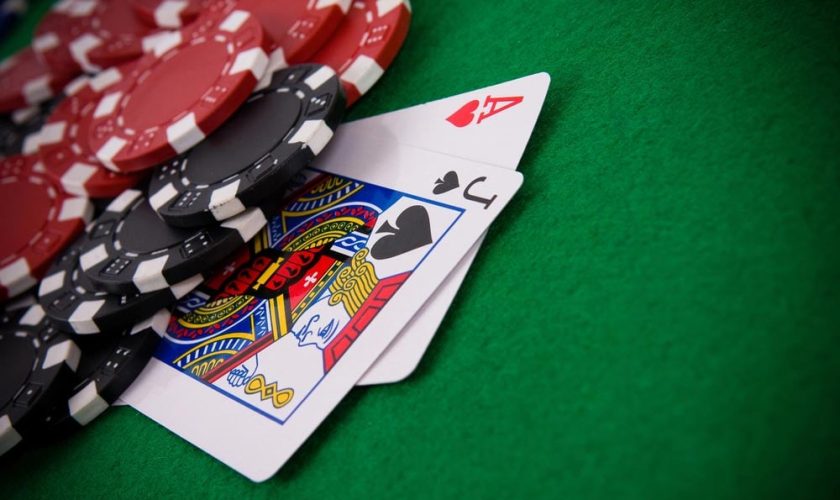






Card games have entertained people for centuries, yet Blackjack stands apart from most traditional and modern card games. While it shares cards, tables, and casinos with games like poker, rummy, and bridge, its structure, strategy, and player experience are fundamentally different. Understanding these differences helps players choose the game that best matches their skills, goals, and preferred pace of play.
Core Objective: Beat the Dealer, Not Other Players
One of the most important distinctions is who you are playing against.
-
Blackjack: Your sole goal is to beat the dealer by getting as close to 21 as possible without exceeding it.
-
Other card games: Most popular card games are competitive, where players face each other directly.
This makes Blackjack more of a player-versus-house game, while others are player-versus-player.
Simplicity of Rules Compared to Strategic Depth
Blackjack is widely known for being easy to learn but hard to master.
-
Players choose from simple actions like hit, stand, double down, or split
-
Outcomes depend on hand totals rather than complex combinations
In contrast, many other card games involve layered rules and mechanics:
-
Poker requires understanding hand rankings, betting rounds, and bluffing
-
Rummy focuses on sets, sequences, and card tracking
-
Bridge involves partnerships, bidding systems, and advanced memory skills
Blackjack’s straightforward rules make it approachable for beginners while still rewarding experienced players who use optimal strategy.
Speed and Flow of Gameplay
Blackjack is one of the fastest-paced card games available.
-
Each round resolves quickly
-
Decisions are made in seconds
-
Continuous play keeps adrenaline high
Other card games tend to be slower:
-
Poker hands can take several minutes due to betting and player decisions
-
Bridge and rummy often require extended rounds with ongoing planning
For players who prefer quick results and constant action, Blackjack offers a uniquely dynamic experience.
Role of Probability and Mathematics
Unlike many card games, Blackjack allows players to reduce the house edge using mathematical strategies.
Key characteristics include:
-
Fixed probabilities for most decisions
-
Widely known basic strategy charts
-
Possibility of card counting in physical games
In contrast:
-
Poker success depends heavily on psychology and reading opponents
-
Rummy relies more on adaptability and drawing luck
-
Bridge emphasizes logic, memory, and cooperation
Blackjack rewards players who enjoy numbers, odds, and calculated decision-making.
Level of Player Interaction
Another major difference is social interaction.
-
Blackjack involves minimal communication between players
-
Each hand is largely an individual experience
-
Other players’ decisions rarely affect your own outcome
Other popular card games are far more interactive:
-
Poker thrives on bluffing and table talk
-
Bridge requires constant coordination with a partner
-
Rummy often involves observing and reacting to opponents’ moves
Blackjack is ideal for players who prefer focused, independent gameplay.
Betting Structure and Risk Control
Blackjack offers predictable and transparent betting.
-
Bets are placed before cards are dealt
-
Payouts are fixed, including special rewards for natural blackjack
-
Players can manage bankrolls with consistent wagering strategies
Other card games vary widely:
-
Poker betting can escalate rapidly based on player behavior
-
Rummy and bridge often use point systems rather than direct wagers
This makes Blackjack appealing to those who want clear financial boundaries and controlled risk.
Skill vs. Chance Balance
All card games involve luck, but the balance differs.
-
Blackjack blends chance with strategic decision-making
-
Correct play significantly improves long-term outcomes
-
Mistakes are measurable and correctable
In comparison:
-
Poker allows high-skilled players to dominate over time
-
Rummy outcomes can swing heavily based on draws
-
Bridge emphasizes long-term skill over short-term luck
Blackjack sits in a unique middle ground where skill matters, but chance never disappears.
Why Blackjack Appeals to a Broad Audience
Blackjack’s enduring popularity comes from its balance of:
-
Simple rules
-
Fast gameplay
-
Strategic depth
-
Low learning curve
Whether played casually or competitively, it offers instant engagement without overwhelming complexity.
Frequently Asked Questions (FAQ)
Is Blackjack easier to learn than poker or rummy?
Yes. Blackjack rules are simple and can be learned in minutes, while poker and rummy often require more time to understand fully.
Does Blackjack require memorization like bridge?
No. While strategy charts help, Blackjack does not rely heavily on memory compared to bridge’s bidding and card-tracking demands.
Can skill really improve Blackjack results?
Absolutely. Using proper strategy significantly reduces the house edge and improves long-term performance.
Is Blackjack more luck-based than other card games?
Blackjack balances luck and skill. While luck affects each hand, consistent strategy influences overall results more than many players realize.
Why is Blackjack faster than most card games?
Each round involves fewer decisions, no extended betting phases, and immediate outcomes, keeping gameplay quick.
Do other players affect my Blackjack outcome?
Generally no. Each player competes independently against the dealer, unlike poker or bridge where opponents’ actions directly impact results.
Is Blackjack suitable for solo players?
Yes. Blackjack is ideal for players who enjoy individual decision-making without relying on or competing directly with others.