
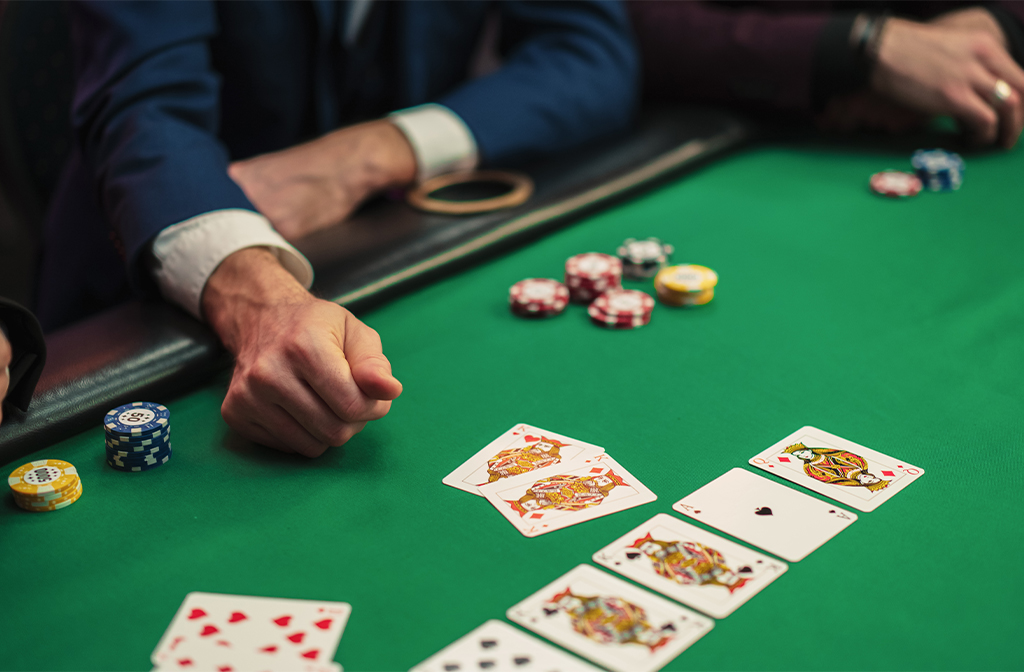
Poker is more than just a card game; it is a blend of psychology, probability, strategy, and decision-making that has captivated players for generations. Whether played in a casual setting with friends or at high-stakes tournaments, poker demands both mental discipline and practical knowledge. Understanding the fundamentals and advanced concepts can transform a casual player into someone who consistently makes smart moves. This guide explores every aspect of poker to help you elevate your game.
The Basics of Poker
Poker is generally played with a standard 52-card deck, and most variants revolve around creating the best possible hand or convincing opponents to fold through strategic betting. The most popular version worldwide is Texas Hold’em, though other formats like Omaha, Seven-Card Stud, and Five-Card Draw also have strong followings.
Standard Hand Rankings
Every poker player must memorize the hierarchy of hands, as it forms the foundation of decision-making:
-
Royal Flush: Ace, King, Queen, Jack, Ten of the same suit
-
Straight Flush: Five consecutive cards of the same suit
-
Four of a Kind: Four cards of the same rank
-
Full House: Three of a kind plus a pair
-
Flush: Five cards of the same suit, not in sequence
-
Straight: Five cards in sequence, any suit
-
Three of a Kind: Three cards of the same rank
-
Two Pair: Two sets of paired cards
-
One Pair: Two cards of the same rank
-
High Card: The highest single card when no other combination is made
The Importance of Position
One of the most overlooked aspects by beginners is table position. Acting later in a betting round gives you more information about your opponents’ moves, allowing for stronger decisions. Early positions are riskier since you must act without knowing how others will bet. Mastering positional play is one of the key differentiators between novice and skilled players.
Poker Strategy for Beginners
For new players, success comes from focusing on fundamentals:
-
Play fewer hands but play them aggressively
-
Learn to fold when necessary instead of chasing weak draws
-
Observe opponents carefully to recognize patterns
-
Control your bankroll to avoid unnecessary risks
These basics lay the groundwork for more advanced strategies.
Advanced Poker Strategies
Once comfortable with the fundamentals, players can add layers of strategy:
-
Bluffing: A calculated attempt to represent a stronger hand than you hold
-
Semi-bluffing: Betting with a drawing hand that could improve later
-
Pot odds and expected value: Mathematical concepts used to determine if calling or betting is profitable long term
-
Range balancing: Mixing strong hands with bluffs to prevent predictability
-
Reading tells: Noticing physical or behavioral cues from opponents
Poker Psychology
Poker is as much about reading people as it is about playing cards. Skilled players manage their emotions and manipulate opponents by controlling table image. Confidence, patience, and discipline are critical traits. Learning to recognize tilt—emotional decision-making after a bad beat—is crucial for long-term success.
Live Poker vs. Online Poker
Playing in person and online both offer unique dynamics:
-
Live Poker: More opportunities to read physical tells but slower pace of play
-
Online Poker: Faster gameplay, reliance on betting patterns rather than body language, and ability to multi-table
Both require adapting strategies, but core principles remain the same.
Managing Your Bankroll
A consistent poker career depends on smart money management. Players should:
-
Only risk a small portion of their total bankroll at one time
-
Avoid chasing losses with reckless bets
-
Separate poker funds from personal finances
Bankroll discipline protects players from going broke during inevitable downswings.
Popular Poker Variants
While Texas Hold’em dominates globally, exploring other poker formats expands your skillset:
-
Omaha: Each player gets four hole cards instead of two
-
Seven-Card Stud: Players build their hand from a mix of face-up and face-down cards
-
Five-Card Draw: Classic home game where players draw new cards to improve their hand
Each variant requires adjustments in strategy, hand selection, and betting style.
The Role of Probability and Math
Mathematics is central to poker strategy. Understanding probabilities—such as the odds of completing a flush draw or making a straight—is essential. Skilled players constantly calculate pot odds, implied odds, and equity to guide decisions. A player who blends intuition with math often outperforms those who rely solely on gut feeling.
Poker Tournaments vs. Cash Games
-
Cash Games: Players buy in with real money, and blinds remain constant. Perfect for steady, deep-stack strategy.
-
Tournaments: Structured with increasing blinds and fixed payouts. Requires adaptability and long-term endurance.
Each format challenges players differently, and many professionals specialize in one or the other.
Developing a Winning Mindset
Success in poker is not only about skill but also about mental resilience:
-
Stay patient during long stretches of unplayable hands
-
Accept variance, where luck plays a temporary role
-
Stay humble and always continue learning
The best players study the game relentlessly, review past hands, and constantly refine their strategies.
Real-Life Applications of Poker Skills
Interestingly, poker strategies extend beyond the table:
-
Negotiation skills improve from learning when to push and when to fold
-
Risk assessment helps in personal finance and investments
-
Emotional control aids in business and personal relationships
Poker teaches life lessons about patience, timing, and decision-making under pressure.
FAQs About Poker
What is the most important skill in poker?
The ability to make consistent, disciplined decisions is more valuable than luck. Reading situations accurately, managing bankroll, and avoiding emotional play are key.
How long does it take to become a good poker player?
Improvement depends on practice and study. With dedication, many players develop a solid skill set within six months to a year.
Is poker mostly luck or skill?
Poker combines both. Short-term outcomes can be influenced by luck, but long-term success is driven by skillful decision-making.
What is tilt in poker?
Tilt is when frustration or anger leads to poor decisions. Managing tilt is critical to avoid losing money unnecessarily.
Can you make a living from poker?
Yes, but it requires discipline, a large bankroll, and years of practice. Many who attempt it fail because they underestimate the skill and emotional resilience required.
Which poker variant should beginners start with?
Texas Hold’em is the most beginner-friendly due to its simple rules and widespread availability. It also provides the strongest foundation for learning poker fundamentals.